Wasso, Loliondo · Ngorongoro District, Tanzania
Healthy ecosystems, sustainable rangeland.
Noloramata is a community-based organization restoring the rangelands of Northern Loliondo — so the Maasai pastoral community, their livestock, and the Serengeti’s wildlife can thrive together, for generations to come.
15,000+
hectares targeted for rangeland restoration by 2030
14
villages within our land-use planning scope
2nd
largest wildebeest breeding ground in the Mara–Serengeti
2023
the year our community-led work began
About us
Restoring land that people, livestock, and wildlife all depend on.
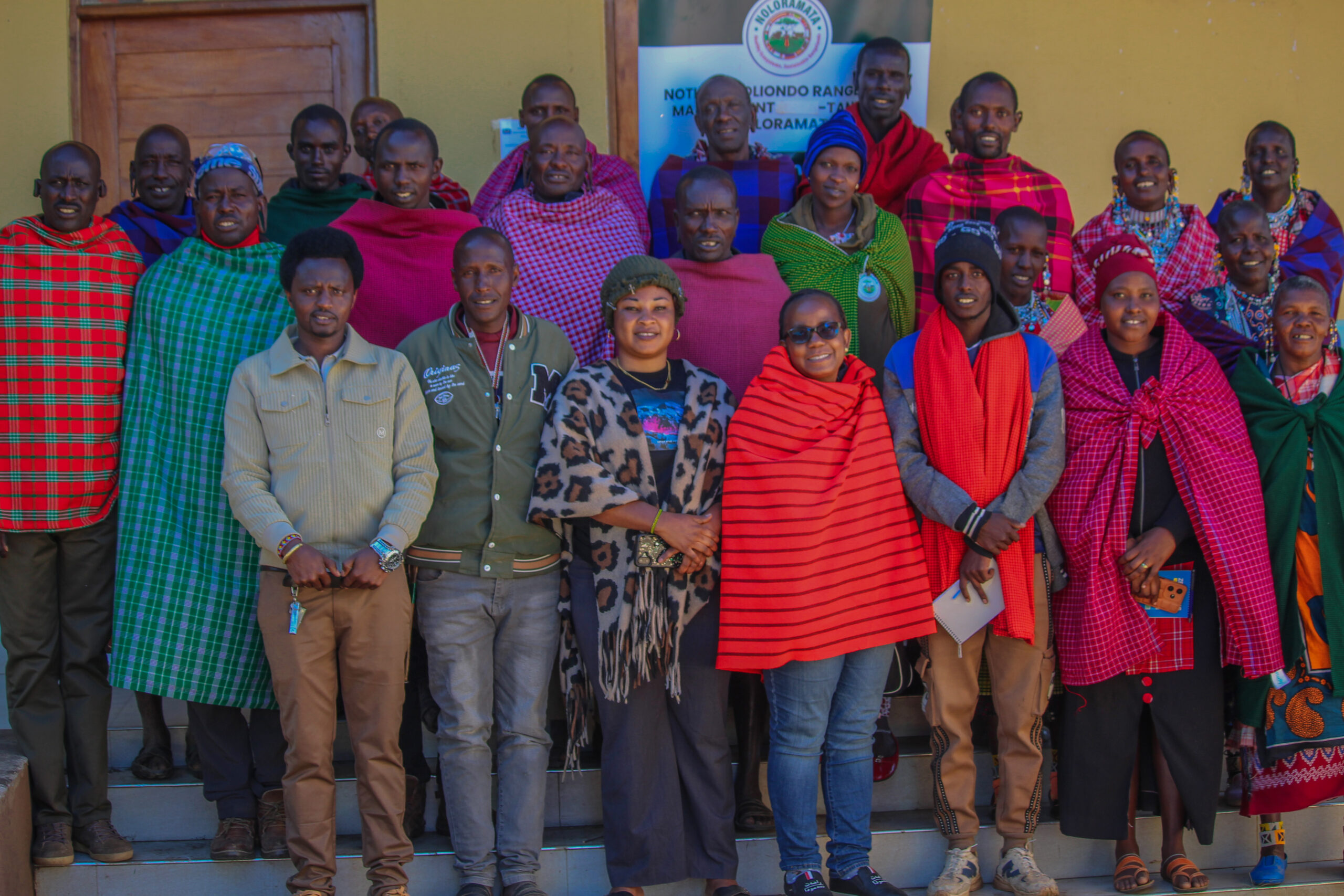
Northern Loliondo Rangeland Management – Tanzania (Noloramata) is a community-based organization founded and registered by community members in Ngorongoro, across the Loliondo villages, with its main office in Wasso, Arusha.
Our programs, Resilient landscape.
From grazing committees to girls’ education, every program supports the same goal: a Northern Loliondo where land, livestock, and wildlife sustain each other.
Rangelands
Land-use planning
Building the capacity of village grazing committees and conservation leaders to practise rotational grazing, develop joint village land-use plans, and pass village by-laws that protect wet- and dry-season grazing areas.
Restoration
Rangeland restoration
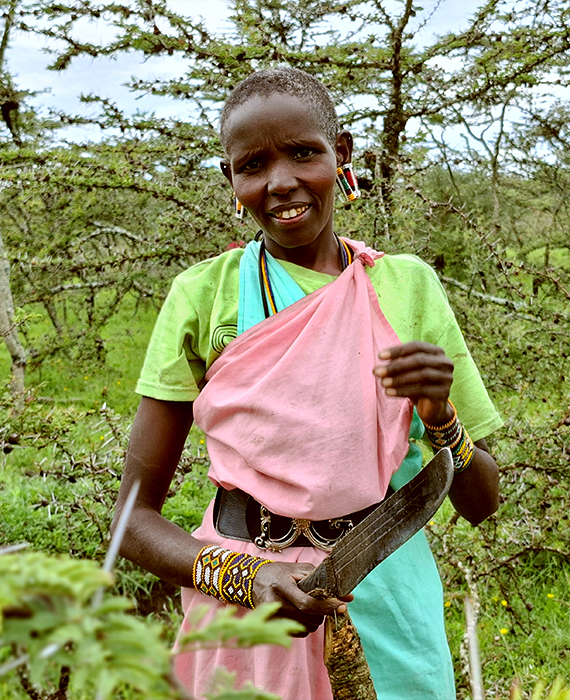
Clearing 150–200 hectares of invasive acacia each year, resting the land for 5–7 months, then introducing controlled fire — returning savanna grassland that both livestock and wildlife depend on, across 10–20 years.
Wildlife
Wildlife & biodiversity
Protecting Ang’ata Keri, the second-largest wildebeest breeding ground in the greater Mara–Serengeti ecosystem, alongside zebra, antelope, elephants, and predators — all on community village land.
Livelihoods
Livelihoods & enterprise
Jewellery and bead-making initiatives, savings and credit cooperatives (SACCOS), mobile banking, and beekeeping — bringing women and youth into the economic mainstream alongside traditional livestock ownership
Water
Water & watersheds
Protecting the Pololeti, Wasso, and Sariani rivers through fencing, rainwater harvesting, and watershed restoration — securing water for people, cattle, and wildlife across the wider Mara–Serengeti ecosystem.
Education & Governance
Education, women & governance
Prioritising girls’ access to education, strengthening village council administration, and supporting traditional leaders and women’s groups as instruments of natural resource management and conservation.
Our aproach
Through collaboration, we can move mountains.
Since 2023, Noloramata has worked through village council meetings, traditional leaders' dialogue, and women's formation groups — believing that lasting change comes from collaboration between communities, government, and partners.
Community - Led
Grazing committees & by-laws -
Villages identify their own priority areas for settlement, wet-season and dry-season grazing, then adopt rotational grazing through their own village by-laws.
Science-based
Controlled fire & land-use plans -
Invasive acacia is cleared, rested for 5–7 months, and treated with controlled fire — guided by land-use planning and scientific research applied directly with the community.
Inclusive
Women, youth & village scouts -
Women and youth lead enterprise and conservation initiatives, while trained village scouts patrol rangelands and riverbanks, reporting illegal logging, sand harvesting, and encroachment.
Cross-border
Beyond Loliondo's borders -
Our work connects to the wider Mara–Serengeti ecosystem — from the Ndutu and Loita plains to Lake Victoria — recognising that what happens here matters far beyond our villages.

Partners & collaborators
We move mountains together
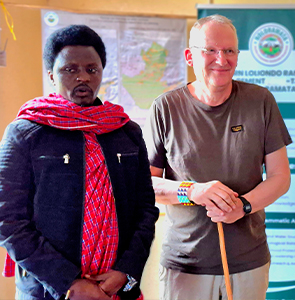
Our work is made possible by partners providing funding, technical and scientific resources, and organizational support — alongside the village councils and traditional leaders who lead this work on the ground.
- University of Groningen Department of Community Conservation.
- DOB ecology.
- Grumeti fund.
- Ngorongoro district council.
- Loliondo villages: Oldoinyowas, Oloirien, Lopolun, Orkuyeine and Ooipiri.